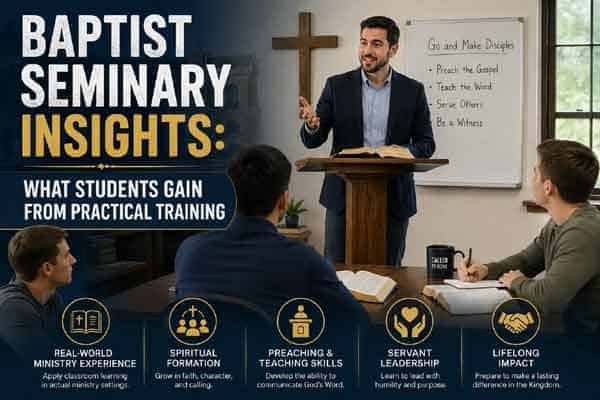
Practical training in ministry greatly enriches students’ theological comprehension, facilitating their transition from abstract ideas to practical applications in the real world.
Through hands-on experience, students are equipped to navigate intricate moral dilemmas, thereby enhancing their understanding of contextual theology and the significance of scripture.
Fieldwork fosters spiritual development as students engage with diverse communities, helping them cultivate empathy and resilience through genuine interactions.
Initiatives aimed at community impact, like food drives and educational sessions led by students, not only address immediate local needs but also reinforce theological teachings through active involvement.
Essential skills for ministry—including communication, conflict resolution, and leadership—are cultivated through practical training, ensuring students are well-prepared for effective service.
Mentorship with seasoned ministers grants students insights and practical wisdom, enabling them to navigate the complexities of ministry with greater ease.
Reflections on practical training often highlight significant personal growth, underscoring how essential real-world experiences are in forming future church leaders.
Table of Contents
The Powerful Power of Hands-On Training in Ministry
How Practical Experience Shapes Theological Understanding
Hands-on training serves as a crucial lens for interpreting theological concepts. Sure, reading about ministry in textbooks is helpful, but actual experiences? That’s where transformation truly unfolds. Evidence suggests students who engage in practical training often report heightened faith comprehension. They’re not just absorbing information; they’re actively engaging with it, enabling immediate application and translating theory into practice.
Students arrive at baptist seminary aiming to deepen their grasp of scripture and its implications in the modern world. Upon entering local ministries, the subtleties of interpretation become lively and dynamic. Conflicts emerge, questions surface, and theological principles require activation within immediate contexts. It’s a common mistake to view theological education as solely an academic pursuit. So, how does hands-on training align with deepening theological understanding?
- Real-life dilemmas: Facing community issues compels students to grapple with intricate moral and ethical questions.
- Contextual theology: Applying scripture across cultural landscapes enriches its relevance.
- Reflective practice: Documenting experiences inspires critical reflection on actions and beliefs.
Through these immersive experiences, students gain the capability to think critically about doctrine, thus shaping a more refined theological framework—essential for effective ministry.
The Role of Fieldwork in Spiritual Development
Fieldwork functions not just as a learning vehicle, but also as a catalyst for spiritual growth. Students find themselves immersed in diverse communities, interacting with individuals from various backgrounds. Ministry can be chaotic, compelling, and unpredictable. This vibrant dynamic encourages students to engage with their spirituality dynamically, influencing their faith journeys and bolstering personal resilience.
Interestingly, students’ responses to these challenges vary. Some flourish under pressure, while others might struggle to adapt. This variation is a natural element of spiritual formation. Fieldwork unveils strengths and areas needing development. Here are some key ways fieldwork influences spiritual growth:
- Real experiences: Connecting with those in need invites students to cultivate deeper empathy.
- Spiritual practices: Participating in prayer, fellowship, and service strengthens their ties to faith.
- Mentorship opportunities: Interactions with experienced ministers lead to guided reflections on personal journeys.
Throughout this process, students foster a profound sense of purpose, aligning spiritual lives with active ministry.
Bridging Theory and Practice: Real-World Applications of Theological Knowledge
Case Studies: Successful Ministry Projects from Southwestern Students
Transitioning from theory to practice often presents budding ministers with their most significant challenges. At Southwestern Baptist Theological Seminary, students partake in numerous ministry projects, creating a rich tapestry of case studies illustrating the successful application of their theological training. These projects frequently yield invaluable lessons in leadership and teamwork.
“Real-world ministry is never a solo effort. It’s about engaging with a community and learning from one another.”
Through such endeavors, students start to comprehend not only the efficacy of individual ministry but also the broader impact of collaborative efforts. Here are several noteworthy student-led projects that exemplify these principles:
- Community Health Initiatives: Training students to meet both spiritual and physical needs during health fairs enhances community participation.
- Youth Mentorship Programs: By dedicating time to local youth, students learn to guide and transform the next generation.
- International Mission Trips: These experiences expand perspectives, highlighting the importance of cross-cultural gospel applications.
Each case study represents a unique fusion of intellectual rigor and ministerial practice. Students carve their identities as ministers while contributing to the collective progress of their communities.
Learning Through Engagement: Community Impact Initiatives
Engagement means more than just attending community events. It’s about truly immersing oneself in the local vibe. Students discover that authentic ministry lies in being present. Through community impact initiatives, they connect with those facing real challenges. In these moments, love manifests through action.
Take a look at the various outreach programs that thrive under student leadership:
- Food Drives: Tackling hunger in local neighborhoods meets urgent needs while raising awareness about food insecurity.
- Educational Workshops: Offering skills training promotes self-sufficiency and aids community members.
- Support Groups: Providing emotional and spiritual care creates lasting positive effects within vulnerable populations.
These initiatives offer invaluable experiences that tangibly reinforce theological teachings. Students not only enhance their skills but also uplift entire communities in the process.
Equipping Future Leaders: Skills Acquired Through Practical Training
Essential Ministry Skills Gained in the Classroom and Beyond
Hands-on training doesn’t merely enhance theoretical knowledge; it equips students with essential ministry skills. Within classrooms, students dive into doctrine and ethics. Outside, those concepts encounter real-world challenges demanding tactical responses.
Some critical skills developed through this dual framework include:
- Communication: Effectively engaging with diverse audiences is vital for delivering resonant messages.
- Conflict Resolution: Navigating disputes within congregations nurtures patience and understanding.
- Leadership: Spearheading initiatives helps students build their organizational and decision-making abilities.
In essence, practical training broadens skill sets while reinforcing the mission of the church. Such well-rounded preparation ensures students emerge equipped for effective ministry.
Students Share Their Transformational Experiences
A critical aspect of practical training includes reflection. Students often recount their personal growth experiences, illustrating how their engagement has reshaped their lives and perspectives. Gathering candid feedback can yield illuminating insights, revealing impacts that classroom learning might overlook.
Current students frequently share powerful narratives, demonstrating how practical involvement challenged their assumptions or fortified their beliefs. Some noteworthy examples consist of:
- Confronting Bias: Some uncovered long-standing biases while immersing themselves in diverse communities, leading to significant personal growth.
- Career Clarification: Others found their true vocation through volunteer opportunities in the field.
- Building Resilience: Facing adversity taught students to trust in their abilities to adapt and inspire hope in others.
These narratives enrich the seminary experience, highlighting its vital role in nurturing strong leaders for the future church.
The Advantages of Personalized Mentoring in a Seminary Setting
Building Relationships with Experienced Ministers
The significance of mentorship within a Baptist seminary cannot be overstated. Relationships with experienced ministers create a safety net for students entering unknown waters. Engaging with individuals who have navigated similar paths illuminates the journey ahead.
Mentors provide a listening ear, insightful guidance, and stimulate critical thinking. Drawing from a wellspring of experience, they refine students’ spiritual and practical approaches:
- Biblical Interpretation: Seasoned leaders offer fresh perspectives on complex scriptures.
- Practical Wisdom: Real-life anecdotes shed light on ministry challenges and solutions, bridging theoretical learning with practice.
- Network Expansion: Connections made through mentorship frequently lead to new opportunities.
Through these meaningful relationships, students gain not only knowledge but also a sense of belonging within the broader ministry landscape.
Guidance on Working through Real-World Ministry Challenges
Students frequently encounter challenges that transcend academic issues. The ministry landscape is unpredictable, filled with surprises and tough decisions. Having a mentor who understands these complexities helps alleviate the burden. This guidance prepares future leaders to navigate friction in ministry settings.
Mentors offer reassurance and support during turbulent times, encouraging students to embrace the learning curve and adapt their strategies:
- Conflict Management: Gracefully handling disagreements is crucial in any ministerial context.
- Crisis Response: Remaining calm and composed during crises significantly affects overall ministry impact.
- Ethical Leadership: Upholding ethical standards enhances credibility among congregants and the broader community.
Students emerge from these experiences not simply as followers of their faith, but as well-prepared leaders ready to tackle whatever challenges come their way in ministry.
FAQ
Q.1 What are the long-term benefits of practical training for seminary graduates?
Ans. Graduates typically report increased confidence and competence in their ministerial roles. Many believe that skills gained during practical training improve their effectiveness in communication and community engagement. Generally, employment prospects also rise, as employers often seek candidates with substantial field experience.
Q.2 How can practical experiences influence a student’s future ministry style?
Ans. Experiential learning shapes individual ministry styles by exposing students to varied approaches and contextual challenges. Over time, this hands-on training enables students to cultivate a unique voice that reflects their insights and the nuances they’ve encountered in real-world contexts.
Q.3 Are there specific denominations that benefit more from practical training?
Ans. While all denominations value practical training, those with active community outreach programs, such as Baptists, often reap more significant rewards. These environments encourage students to engage deeply with community needs, fortifying their theological and practical foundations in meaningful ways.
Q.4 What role do feedback and reflection play in the learning process?
Ans. Feedback and reflection are crucial components of practical training. Students who actively evaluate their experiences often gain valuable insights into their strengths and areas requiring improvement. These practices foster constant personal growth and contribute to more effective ministry approaches.
Q.5 How does mentorship impact the effectiveness of practical training?
Ans. Mentorship enriches practical training by offering personalized guidance and real-world insights. Experienced mentors frequently provide tailored advice that assists students in navigating challenges and enhancing understanding. These relationships create a supportive environment that empowers students to grow and thrive.
Q.6 Can practical training change a student’s worldview or approach to ministry?
Ans. Definitely, immersion in diverse communities often broadens perspectives. Students regularly confront their biases and assumptions, which can refine their theological views and ministry strategies. This transformation proves vital for those eager to make a genuine impact in their communities.
Q.7 What are the common types of community outreach initiated by students?
Ans. Students typically spearhead various outreach efforts, such as food drives, educational workshops, and support groups. These initiatives not only cater to local needs but also reinforce the lessons gleaned from their practical training, effectively bridging the gap between theory and action.
Q.8 How can students ensure they maximize their practical training opportunities?
Ans. Active engagement and an openness to new experiences are essential. Students should seek diverse roles within their communities, solicit feedback after projects, and maintain open lines of communication with their mentors. Such a proactive approach guarantees a more enriching and fulfilling training experience.
Follow – https://sggreek.com for More Updates