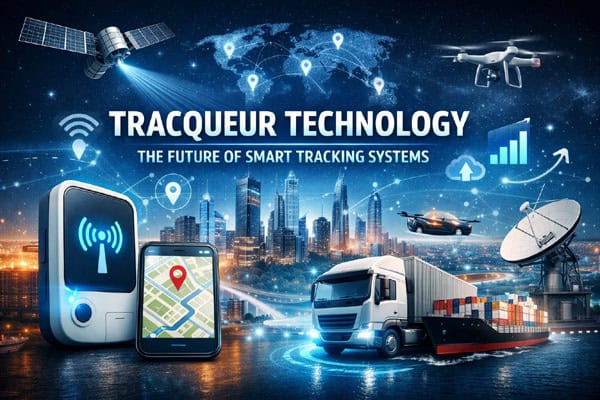
In today’s digital world, tracking technology is becoming a major part of modern life. Businesses, governments, and individuals depend on tracking tools to monitor vehicles, packages, devices, and even people in real time. One of the emerging concepts in this field is Tracqueur, a term commonly used to describe advanced tracking systems designed to monitor location, movement, and activity through smart technology.
A Tracqueur system combines GPS satellites, sensors, mobile networks, and cloud software to track assets and provide real-time insights. These technologies help organizations improve safety, logistics efficiency, and decision-making. Modern tracking tools are not limited to location alone—they now analyze behavior patterns, predict issues, and automate alerts.
As industries continue to evolve, Tracqueur technology is becoming an important element of smart ecosystems. From supply chains to personal safety, the role of tracking systems is expanding rapidly. This article explores how modern tracking systems work, the latest trends shaping them, and why they will play a key role in the future.
Table of Contents
Understanding Tracqueur Technology
A Tracqueur system refers to a digital tracking solution that monitors the location and movement of an object, vehicle, or person. It works by using satellite positioning systems such as GPS along with communication networks to send location data to software platforms or mobile applications.
In simple terms, a tracking device receives signals from satellites to calculate its position on Earth. The device then sends this information through cellular networks or Wi-Fi to a cloud server where users can see the data on a dashboard or smartphone.
The main components of a modern Tracqueur system include:
-
GPS or GNSS satellite positioning
-
Cellular or wireless communication
-
Sensors and monitoring devices
-
Cloud-based software platforms
-
Mobile applications for user access
When these technologies work together, they create a powerful tracking environment that provides real-time updates, route history, alerts, and analytics.
Evolution of Smart Tracking Systems
Tracking technology has evolved significantly over the past two decades. Early systems focused only on location tracking, but modern Tracqueur solutions deliver much more information.
Early Tracking Systems
Earlier tracking devices relied mainly on simple GPS hardware. These devices could show location but had limited features such as:
-
Basic location updates
-
Limited battery life
-
Minimal analytics
-
Slow data transmission
These systems were helpful but lacked intelligence.
Modern Intelligent Tracking
Today’s Tracqueur systems combine GPS with IoT sensors, artificial intelligence, and cloud computing. This integration allows systems to process data faster and provide meaningful insights instead of simple location data.
Modern tracking systems can now provide:
-
Real-time alerts
-
Predictive analytics
-
Route optimization
-
Driver behavior analysis
-
Security notifications
These features make modern tracking platforms far more powerful and useful in business and personal applications.
Read More – Teren Cill
Key Technologies Behind Tracqueur Systems
Several advanced technologies power modern tracking systems. These innovations allow Tracqueur platforms to deliver accurate and reliable results.
1. GPS and Multi-GNSS Tracking
Global Navigation Satellite Systems (GNSS) such as GPS, GLONASS, Galileo, and BeiDou allow tracking devices to determine precise location anywhere on Earth. Combining multiple satellite systems improves accuracy and reliability in urban areas.
2. Internet of Things (IoT)
IoT technology connects sensors and devices to the internet. In a Tracqueur system, IoT sensors can track temperature, motion, speed, or environmental conditions. These sensors are widely used in logistics, healthcare equipment monitoring, and asset management.
3. Artificial Intelligence and Machine Learning
AI helps tracking systems interpret large amounts of data. Instead of simply displaying a location, AI algorithms analyze patterns and predict events such as equipment failure or unsafe driving behavior.
4. 5G Connectivity
Next-generation networks like 5G enable faster communication between tracking devices and cloud systems. With high bandwidth and low latency, 5G improves real-time tracking performance and reliability.
Why Tracqueur Systems Are Important Today?
Tracking technology is becoming essential in modern digital ecosystems. A Tracqueur system helps organizations improve efficiency, safety, and productivity.
Improved Logistics and Supply Chain Management
In global supply chains, companies must track shipments across countries and continents. Tracking systems allow businesses to monitor goods in transit, prevent theft, and optimize delivery routes.
IoT-enabled asset tracking is widely used in industries such as logistics, construction, and healthcare, where visibility of equipment and shipments is critical.
Better Fleet Management
Vehicle fleets used in transportation or delivery services rely heavily on tracking systems. A Tracqueur platform helps managers monitor vehicles, fuel usage, and driver behavior.
This improves operational efficiency and reduces costs.
Enhanced Personal Safety
Tracking technology also improves safety for individuals. Parents can track school buses, companies can monitor employee safety in remote areas, and emergency services can locate people quickly during crises.
Tracqueur Applications Across Industries
Tracking systems are used in many different sectors today. The flexibility of Tracqueur technology allows it to adapt to many use cases.
Transportation and Fleet Management
Transportation companies use tracking systems to monitor vehicle movement, optimize routes, and reduce fuel consumption.
Fleet managers can analyze data to improve driving habits and maintenance schedules.
Logistics and Supply Chain
Companies tracking shipments rely on smart tracking solutions to monitor cargo conditions and delivery timelines. These systems reduce losses and improve supply chain transparency.
Healthcare Equipment Tracking
Hospitals use tracking devices to monitor expensive medical equipment and ensure it is always available when needed.
Personal Tracking
Wearable trackers and personal devices help people monitor fitness, location, and health conditions.
Future Trends in Tracqueur Technology
Tracking technology is evolving rapidly, and several trends are shaping the future of Tracqueur systems.
AI-Driven Predictive Tracking
Artificial intelligence will enable systems to predict future events based on past data. For example, a tracking system may detect patterns that indicate potential vehicle breakdowns or security risks.
Smart City Integration
As cities adopt smart infrastructure, tracking technology will become integrated with traffic systems, emergency services, and urban planning tools.
Autonomous Vehicle Support
Autonomous vehicles require precise location tracking. Advanced Tracqueur technology will help support navigation, safety monitoring, and fleet coordination.
Data-Driven Decision Making
Tracking data will increasingly be used for business intelligence. Companies will analyze location data to improve operations, reduce costs, and increase efficiency.
Realistic Market Growth Data
The global tracking technology market is growing rapidly due to increasing demand for logistics visibility and asset monitoring.
Industry reports show that the GPS tracking device market is expected to grow significantly over the next decade, driven by IoT adoption and digital transformation.
Key statistics include:
-
Tracking technology adoption increased by more than 30% in logistics industries in recent years.
-
The tracking device market is projected to grow with a compound annual growth rate of over 14% between 2024 and 2030.
These numbers highlight how important smart tracking systems are becoming in modern digital ecosystems.
Read More – Amaangameworld
Challenges in Tracking Technology
Despite its advantages, Tracqueur systems also face certain challenges.
Privacy Concerns
Tracking people or assets raises privacy questions. Regulations and ethical guidelines must ensure that tracking is used responsibly.
Data Security
Tracking systems collect large amounts of sensitive data. Strong cybersecurity measures are required to protect this information from misuse.
Battery and Hardware Limitations
Many tracking devices rely on batteries that must last long periods. Efficient power management remains an important design challenge.
The Future of Tracqueur Technology
Looking ahead, the future of Tracqueur systems will focus on intelligence, automation, and connectivity.
Emerging technologies such as AI, IoT, and advanced satellite systems will make tracking more accurate and predictive. Businesses will use these tools not only to monitor assets but also to understand patterns and improve decision-making.
In the coming years, tracking technology will become deeply integrated into smart cities, autonomous vehicles, and digital supply chains.
Conclusion
Tracking technology is transforming how we manage assets, vehicles, and personal safety in the digital age. Modern Tracqueur systems combine GPS, IoT, artificial intelligence, and cloud computing to provide real-time insights and smarter decision-making.
As industries become more connected, tracking systems will continue to grow in importance. Businesses rely on them to improve logistics efficiency, reduce costs, and enhance security.
The future of smart tracking systems will be driven by intelligent analytics, faster networks, and integrated technologies that make monitoring easier and more accurate. With these innovations, Tracqueur technology will remain a key component of modern digital ecosystems.
FAQs (Simple and Short Answers)
Q.1 What is Tracqueur technology?
Ans. A Tracqueur system is a smart tracking solution that monitors the location and movement of assets using GPS, sensors, and mobile networks.
Q.2 How does a Tracqueur system work?
Ans. It collects location data from satellites and sends it to a cloud platform where users can monitor activity through apps or dashboards.
Q.3 Where are Tracqueur systems used?
Ans. They are used in logistics, transportation, healthcare equipment tracking, and personal safety monitoring.
Q.4 Is tracking technology secure?
Ans. Most modern tracking platforms include encryption and security systems, but strong data protection practices are essential.
Follow – https://sggreek.com for More Updates