There are inspections that are mandatory in Thailand for industrial facilities, commercial businesses, or vehicle owners. Among the most common is LPG inspection (also known as รับตรวจสภาพแก๊ส lpg when translated to Thai) which is intended to prevent high-risk accidents such as fires and explosions.
Table of Contents
Importance of Accredited Inspections of Facilities
- Legal Compliance and Enforcement
The law demands that any facility storing or using significant quantities of gas undergo annual safety inspection at mandatory intervals of 5 years. - Operational Safety LPG is highly flammable and stored under pressure. So, with regular inspection, critical defects can be identified that human observations might miss. These include leak detection and structural integrity that may involve valves, regulators, and pressure gauges.
- Benefits to Businesses
Regular inspections can provide financial and operational advantages. First off, it can identify faulty components early, which is significantly cheaper than emergency repairs. Businesses can also avoid extended closures due to major equipment failures.
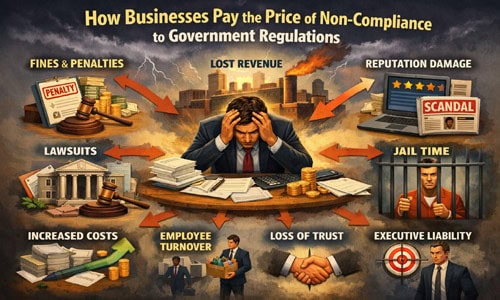
Consequences to Facilities that Are Non-Compliant
- Legal and Criminal Penalties
There are strict sanctions for operators and unregulated or non-compliant facilities under the Fuel Control Act and Factory Act. For businesses operating a high-risk facility without permission can lead up to 2 years in prison. But violations of ongoing non-compliance often result in fines of up to 200,000 THB.
2. Safety and Public Health Risks
Facilities that are unregulated can be more prone to catastrophic failures, including fatal accidents and toxic exposure. That said, the risk of explosion and fires can stem from the lack of regular inspection for LPG and chemical storage. On the other hand, toxic exposure can result from unregulated air emissions and illegal dumping of hazardous waste.
3. Environmental Destruction
Industrial activities can also result in irreversible damage in the absence of strict regulation. Leaks from poorly managed energy infrastructure can destroy marine life, coral reefs, and local livelihoods.
How This Can Impact Businesses
- Financial and Legal Exposure
If firms won’t comply with the rules, their cash flow can suffer adversely since they can face short- and long-term financial burdens. This can result from hefty penalties due to major safety and environmental violations. There is also a criminal liability for company directors for failure to prevent offences, regardless of their direct knowledge of the act.
2. Loss of Market Access and Competitiveness
Thai exporters should know that compliance is no longer optional but a prerequisite for trade. For non-compliant firms, this can result to trade barriers that can add significant financial burdens. Regulatory bodies also have the authority to suspend or revoke operating licenses, which can shut down a business until compliance is achieved.
3. Operational and Reputational Damage
Industrial accidents can also result in unexpected shutdowns due to the lack of regulation. This can also result in brand crises due to minor compliance issues.
You can protect your business from legal penalties, unplanned downtime, and catastrophic failures. All you need to do is partner with NDT Thai. Contact us today to learn how to get your LPG inspections completed by certified engineers to ensure licence renewal.
Follow – https://sggreek.com for More Updates