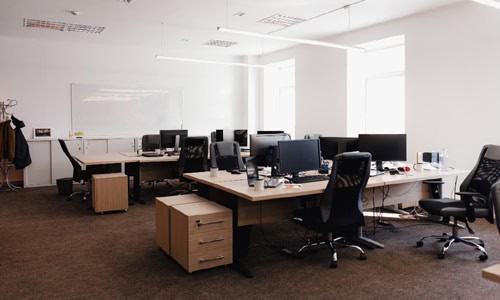
Productivity improves when the workplace layout supports how people carry out their work during a normal day. Many businesses see this play out through office design in Central Coast projects, where layout choices shape focus, movement, and day-to-day efficiency.
The sections below break down practical fit-out decisions that influence how smoothly work gets done.
Table of Contents
Plan Zoning Around Work Tasks
Zoning works when it reflects how people actually behave, not how a plan looks on paper. Quiet tasks struggle when desks sit besides walkways or shared spaces where conversations drift through the day. When moving into a new office, this is often when those mistakes become obvious. You may notice staff putting on headphones or booking meeting rooms just to concentrate.
Separating focused work from collaborative areas removes that friction. Over time, fewer interruptions happen simply because the space stops sending mixed signals.
Optimise Layout Flow and Movement
Layout flow becomes a problem when people have to pass through work areas to get basic things done. Printers placed behind desks or storage tucked into corners often cause repeated interruptions. You might notice chairs being nudged back or people pausing mid-task while others squeeze past.
A well-planned layout follows natural movement instead of fighting it. This supports business productivity in a practical way, because fewer moments break concentration. The office feels easier to move through, especially during busy parts of the day.
Integrate Ergonomic Workstation Design
Workstations should support how staff sit, reach, and look at screens for most of the day. Poorly set desk heights or awkward screen positions force people to adjust constantly. That adjustment pulls attention away from work more often than many managers realise.
When workstations are set up properly, staff settle into their tasks faster and stay there longer. You may notice fewer comments about stiffness or fatigue during the week. Small ergonomic decisions often make the biggest difference over time.
Use Joinery to Control Clutter and Distraction
Joinery shapes how clutter builds or disappears. When storage is inconvenient, desks become dumping grounds by default. Files stack up. Equipment stays out. Purpose-built joinery changes that behaviour quietly. Storage placed where work happens makes it easier to put things away without thinking about it.
Built-in cabinets reduce desk pile-ups, while enclosed storage keeps rarely used items out of sight. The space feels calmer, and staff can refocus more quickly after being interrupted.
Design for Adaptability and Future Change
Office layouts rarely stay suitable for long. Teams grow, roles shift, and space gets repurposed without warning. Fixed layouts make those changes harder than they need to be. Flexible partitions and modular joinery allow adjustments without stopping work for weeks.
You might experience this when a team expands or when a meeting space needs to become a work area. Adaptable layouts give office managers more control, allowing changes to happen gradually instead of through disruptive overhauls.
Get in touch with Spoke Building & Interiors for commercial fit-outs and joinery services that offer great value for your money.
Follow – https://sggreek.com for More Updates